Short answer: because Delta runs the most reliable big-airline operation in the US, because its hubs give it a near-monopoly on a lot of routes, and because SkyMiles stopped behaving like a real frequent-flyer currency sometime around 2019. You pay a premium that runs roughly 10-20% over American or United on head-to-head routes, and closer to 40% versus budget carriers out of Delta-dominant hubs like Atlanta, Detroit, and Salt Lake City. Sometimes that premium is worth it. Sometimes it absolutely isn’t. This post walks through why the number on the screen looks so high, and when to eat the extra cost versus book a different airline.
In This Article
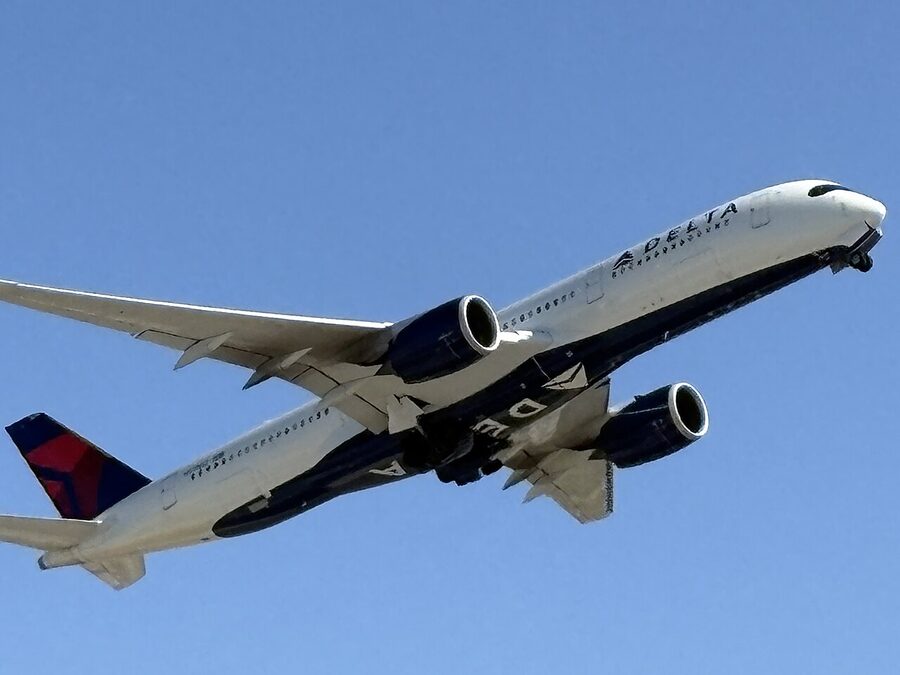
Hub dominance is most of it
Delta has five major hubs: Atlanta (ATL), Detroit (DTW), Minneapolis-St Paul (MSP), Salt Lake City (SLC), and New York-JFK. Add Los Angeles and Seattle as focus cities. From these, Delta owns a staggering share of origin-destination traffic. Out of Atlanta, you will struggle to find a non-Delta flight to dozens of mid-size cities — Chattanooga, Pensacola, Savannah, Huntsville. Out of Salt Lake, same story for smaller Western cities. Out of Minneapolis, same for Upper Midwest and North Dakota routes.
When Delta is the only carrier on a route, the price is whatever the fare algorithm says will maximise revenue against a captive market. There’s no competitor to undercut. This is why a Delta nonstop from SLC to, say, Jackson Hole can be $600 round trip in summer while a United itinerary via Denver, with a stop, is $400 but eats five extra hours. You’re paying Delta for the nonstop and for there being no alternative.
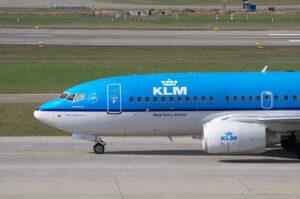
At JFK, Delta’s Terminal 4 operation plus its Delta One premium routes to London/Paris/Tokyo drive fares sharply above what Norse or Iberia charge out of the same airport for competing long-haul routes. If you’re booking transatlantic and seeing a Delta price that seems absurd, look at the partner carriers (KLM, Air France, Virgin Atlantic) first — often 20-30% cheaper on the same metal.
The reliability premium is real
Delta’s operation runs better than its US competitors’. For 2024 and through most of 2025, Delta posted the highest completion factor (percentage of scheduled flights actually operated) of the big three and the fewest mishandled bags per 1,000 passengers. When American or United melts down during summer thunderstorms, Delta usually melts less. The summer 2024 CrowdStrike outage was the exception that got a lot of press precisely because it was so unusual for Delta.
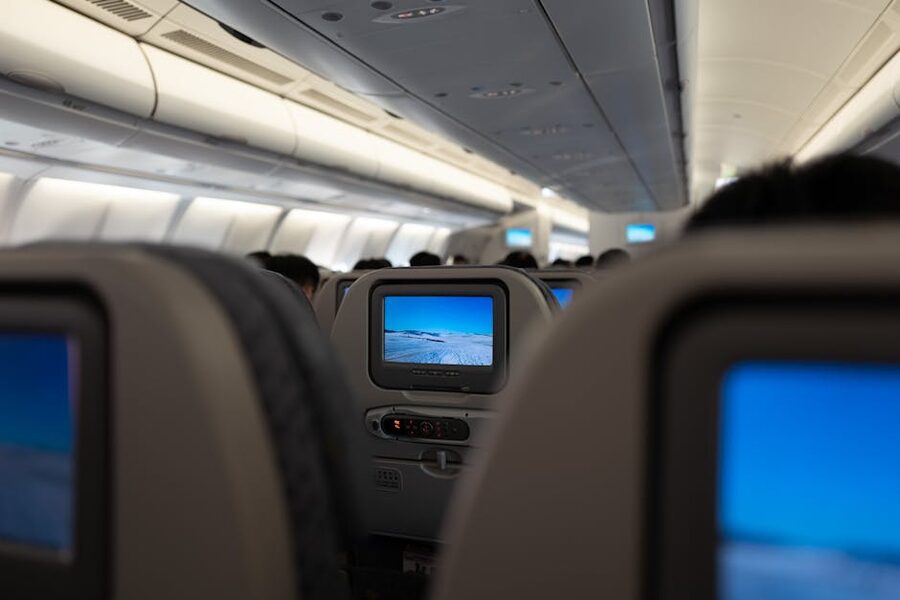
Here’s the thing: that reliability has a price. Delta staffs more reserves, keeps more spare aircraft positioned at hubs, and pays its pilots and flight attendants more per block hour than Frontier or Spirit. Those costs pass through into the ticket. When you pay Delta’s premium and your flight goes on time with your bag where it should be, that’s what you bought. When you save $120 by flying Spirit and end up stranded at FLL for 9 hours, you also got what you paid for.
I’d argue the reliability premium is worth paying if (a) the trip is time-sensitive, (b) you’re checking a bag you can’t lose, or (c) you’re connecting — Delta’s rebooking options when things go wrong are much deeper than a ULCC’s. For a low-stakes nonstop where delay is an inconvenience rather than a disaster, save the money.
SkyMiles stopped being a real currency
Delta officially dropped award charts in 2015 and has been devaluing SkyMiles steadily ever since. Today, award seats on desirable routes often price at 100,000+ miles one-way for domestic, numbers that would have been international business-class pricing ten years ago. A simple domestic round trip that would cost $400 cash might “cost” 40,000-70,000 miles — a redemption rate of about 0.6 to 1 cent per mile. That’s poor.
The flip side: Delta has made earning SkyMiles easier than ever if you put spend on a co-branded Amex. But if your plan is “I’ll just pay more for Delta so I can build up SkyMiles for a free flight later”, the math is usually worse than just buying the cheaper competitor ticket and banking the difference. The Thrifty Traveler breakdown on Delta’s pricing walks through this in detail.
Individualized AI pricing
Delta is moving toward AI-driven individual pricing, where the same seat can cost different people different amounts based on signals the airline pulls from your browsing, account, and purchase history. They’ve been open about this in investor calls. Whether it’s dramatically changing what the average flyer pays is debated, but the move away from published fare buckets is real and is one reason the same Atlanta-LAX flight might quote $340 to you and $290 to your friend in an incognito window.
This is where the usual advice applies: clear cookies, try incognito, check Google Flights for the true published price, and call Delta on 800-221-1212 if the website quote seems out of line with what Google is showing you. Agents can sometimes match or manually book a lower published fare.
When Delta is actually worth it
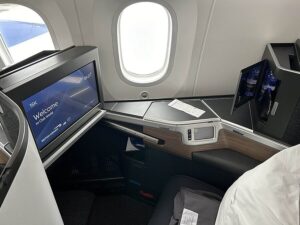
Delta is worth the premium for: time-sensitive business travel, transcontinental and international long-haul in Premium Select or above (a genuinely better product than the competition), connecting itineraries through bad-weather hubs in summer/winter, travel with elderly passengers or kids where a reliable operation matters more than price, and flights where you need to check a bag and can’t afford to lose it.
Delta is not worth the premium for: short domestic hops where you’re carry-on only, flexible leisure trips on routes served by cheaper competitors, award redemptions (SkyMiles is a weak currency — use the miles on partners like Air France/KLM at Flying Blue rates instead), and basic-economy fares on Delta, which give you worse flexibility than a paid main cabin on Southwest at roughly the same price.
Check the Delta low-fare commitment page if you want to see how Delta describes its own pricing. Then check Google Flights for the same route and decide whether the premium is earning what you’re paying for it.